

If you’re planning to rent business premises in the UK, whether it’s an office, a warehouse, or a small retail unit, you’ll almost certainly be asked to sign a commercial lease. It’s one of the most important documents your business will ever sign, yet many first-time renters skim through it without fully understanding what they’re agreeing to.
A commercial lease is a legally binding contract between you (the tenant) and the property owner (the landlord). It sets out the terms under which you can occupy and use a business property. Unlike residential tenancies, commercial leases offer far fewer automatic legal protections, which means the terms you negotiate and sign are the terms you’ll have to live with.
This guide explains how commercial leases work in the UK, the key clauses you need to understand, and how to choose the right space for your business.
What Is a Commercial Lease?
A commercial lease is a legal agreement that gives a business the right to occupy a non-residential property in exchange for rent. It covers everything from how much you pay and when, to what you’re allowed to do inside the property, how long you can stay, and who is responsible for repairs.
Commercial leases apply to a wide range of business properties, including:
- Office spaces
- Retail units and showrooms
- Warehouse and storage units
- Workshops and industrial spaces
- Creative studios
- Event spaces
The key difference between a commercial lease and a residential tenancy is negotiation. In residential lettings, the law gives tenants significant protections. In commercial lettings, the terms are largely up to what you and the landlord agree, so it pays to understand what you’re signing.
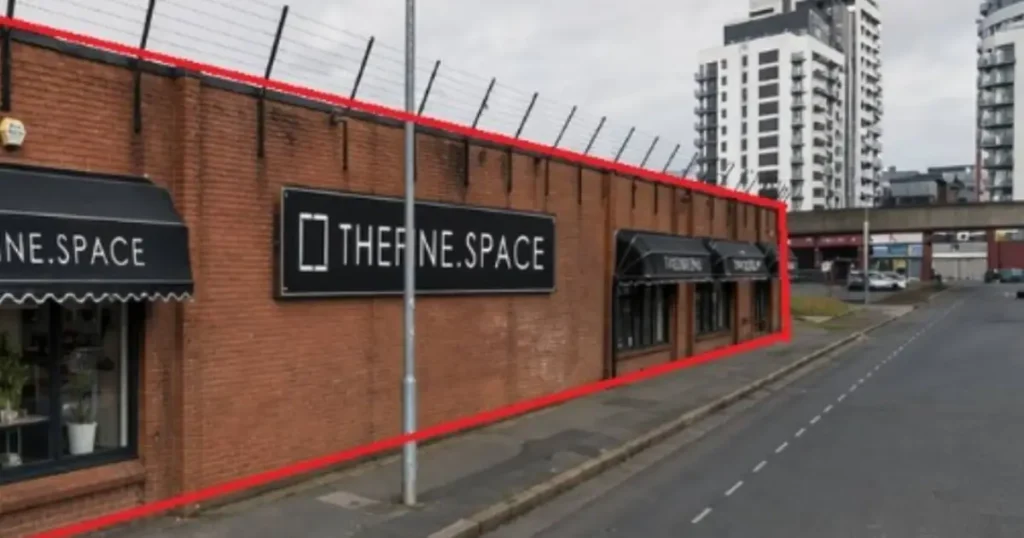
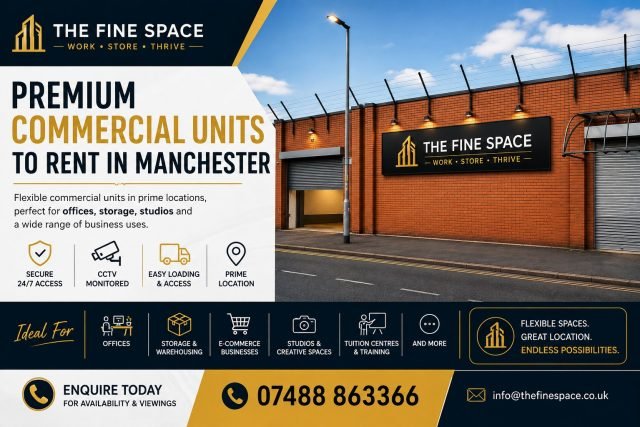
For businesses looking for flexible, affordable options, modern landlords now offer shorter, more adaptable leases. At The Fine Space, for example, commercial units in Manchester are available on flexible terms starting from just £130 per week, ideal for startups and growing businesses that don’t want to be locked into long contracts.
How Does a Commercial Lease Work in Practice?
The leasing process usually follows a clear sequence:
- Heads of Terms – A document outlining the main points both parties agree on: rent, lease length, break options, and responsibilities.
- Drafting the Lease – Solicitors prepare the formal legal document based on the heads of terms.
- Negotiation – Both parties negotiate clauses such as repair obligations, permitted use, and break rights.
- Signing – Once signed, the lease becomes legally binding.
- Occupation – You can then occupy and use the property for the agreed business purposes.
If either party breaches the terms, the other can seek legal remedies. This is why it’s essential to read every clause carefully before signing.
Key Clauses in a Commercial Lease
Not all clauses carry equal weight. Some have a much bigger impact on your flexibility and financial risk. Here are the ones to focus on:
1. Permitted Use
This defines what business activities you’re allowed to carry out in the property. If you’re renting a unit for a specific purpose, say, a warehouse, the lease will state that. If you later want to change how you use the space, you may need the landlord’s consent and possibly planning permission.
2. Alienation (Assigning or Subletting)
This clause determines whether you can transfer your lease to someone else or sublet part of the space. If your business circumstances change, restrictive alienation clauses can leave you stuck paying rent until the lease ends. Look for clauses that allow assignment or subletting with the landlord’s “reasonable consent.”
3. Break Clauses
A break clause allows you to end the lease early on a specific date, provided you meet certain conditions such as being up to date with rent and giving proper notice. Missing a condition can invalidate the break, so read the fine print carefully.
4. Repairing Obligations
This sets out who is responsible for repairs. Under a full repairing lease, you’re liable for everything, including structural repairs. Under an internal repairing lease, your responsibilities are limited to the inside of the property. For older buildings, repair costs can escalate quickly.
5. Security of Tenure
The Landlord and Tenant Act 1954 gives many commercial tenants the right to renew their lease at the end of the term. However, some leases are “contracted out” of this protection, meaning you have no automatic right to stay. If long-term security matters to your business, check this before signing.
Types of Commercial Leases in the UK
There are several types of commercial leases you may come across:
| Lease Type | Description | Best For |
|---|---|---|
| Full Repairing Lease | Tenant responsible for all repairs, including structural | Established businesses with maintenance capacity |
| Internal Repairing Lease | Tenant responsible for internal repairs only | Startups and small businesses |
| Flexible / Rolling Lease | Short-term, often with a break clause | Startups, eCommerce sellers, creatives |
| Contracted Out Lease | No automatic right to renew | Landlords seeking flexibility |
| Lease with Security of Tenure | Tenant has right to renew under the 1954 Act | Businesses planning long-term |
For many small businesses, flexible leases are the most practical option; they reduce upfront commitment and allow you to scale up or down as needed.
Matching the Lease to the Type of Space You Need
The lease terms you negotiate will depend heavily on the type of commercial space you’re renting. Here’s how different property types typically work:
Warehouse Units
Warehouse leases tend to be longer and may include obligations around loading bays, security, and insurance. Businesses searching for warehouse units in Manchester should confirm whether the lease covers roof and structural repairs, as these can be costly.
Office Space
Office leases often include service charges for shared areas, utilities, and building maintenance. If you’re looking for office space in Manchester, check whether the lease is internal repairing or full repairing; it makes a big difference to your monthly outgoings.
Creative Studios
Studios often come with flexible, short-term leases designed for freelancers and small creative teams. Look for leases with rolling monthly terms and clear utility arrangements.
Showrooms
Showroom leases may include restrictions on signage, opening hours, and customer access. Check the permitted use clause carefully; it may limit the type of products you can display.
Online Business Units
eCommerce sellers often need a combination of storage and a business address. These units usually come with a flexible lease and straightforward terms ideal for Amazon, eBay, and Shopify sellers.
Event Spaces
Event space leases are typically short-term or hourly. The agreement may be a licence rather than a lease, which offers less security but more flexibility.
How Much Does a Commercial Lease Cost?
The cost of a commercial lease in the UK varies widely depending on location, property type, and size. In Manchester, for example, commercial rents range from around £130 per week for small units to significantly higher for prime city centre locations.
Beyond rent, you’ll also need to budget for:
- Business rates – Payable to the local council
- Insurance – Often required under the lease
- Service charges – For shared areas and maintenance
- Utilities – Electricity, water, broadband
- Legal fees – For drafting and reviewing the lease
- Deposit – Usually equivalent to a few months’ rent
What to Check Before Signing a Commercial Lease
Before you commit, run through this checklist:
✅ Permitted use – Does it cover your current and future business activities?
✅ Lease length – Is it realistic for your growth plans?
✅ Break clause – Can you exit early if needed?
✅ Repair obligations – Can you afford potential repair costs?
✅ Security of tenure – Do you have the right to renew?
✅ Rent review – How often can the landlord increase rent?
✅ Service charges – What’s included, and how much?
✅ Exit strategy – What happens if your business changes?
Getting legal advice before signing is always recommended. A solicitor experienced in commercial property can identify risks and negotiate better terms on your behalf.
Final Thoughts
A commercial lease is more than just a rental agreement; it’s a long-term commitment that affects your cash flow, flexibility, and growth potential. Understanding the key clauses, negotiating carefully, and choosing the right property can save your business thousands of pounds and years of stress.
Whether you’re a startup looking for your first office, an eCommerce seller needing warehouse space, or an established business expanding operations, the right lease and the right space make all the difference.
Looking for commercial space in Manchester?
The Fine Space offers flexible, affordable commercial units across prime Manchester locations from £130 per week.
📞 +44 7488 863366
📧 info@thefine.space
🌐 thefine.space



Leave a Reply